Held
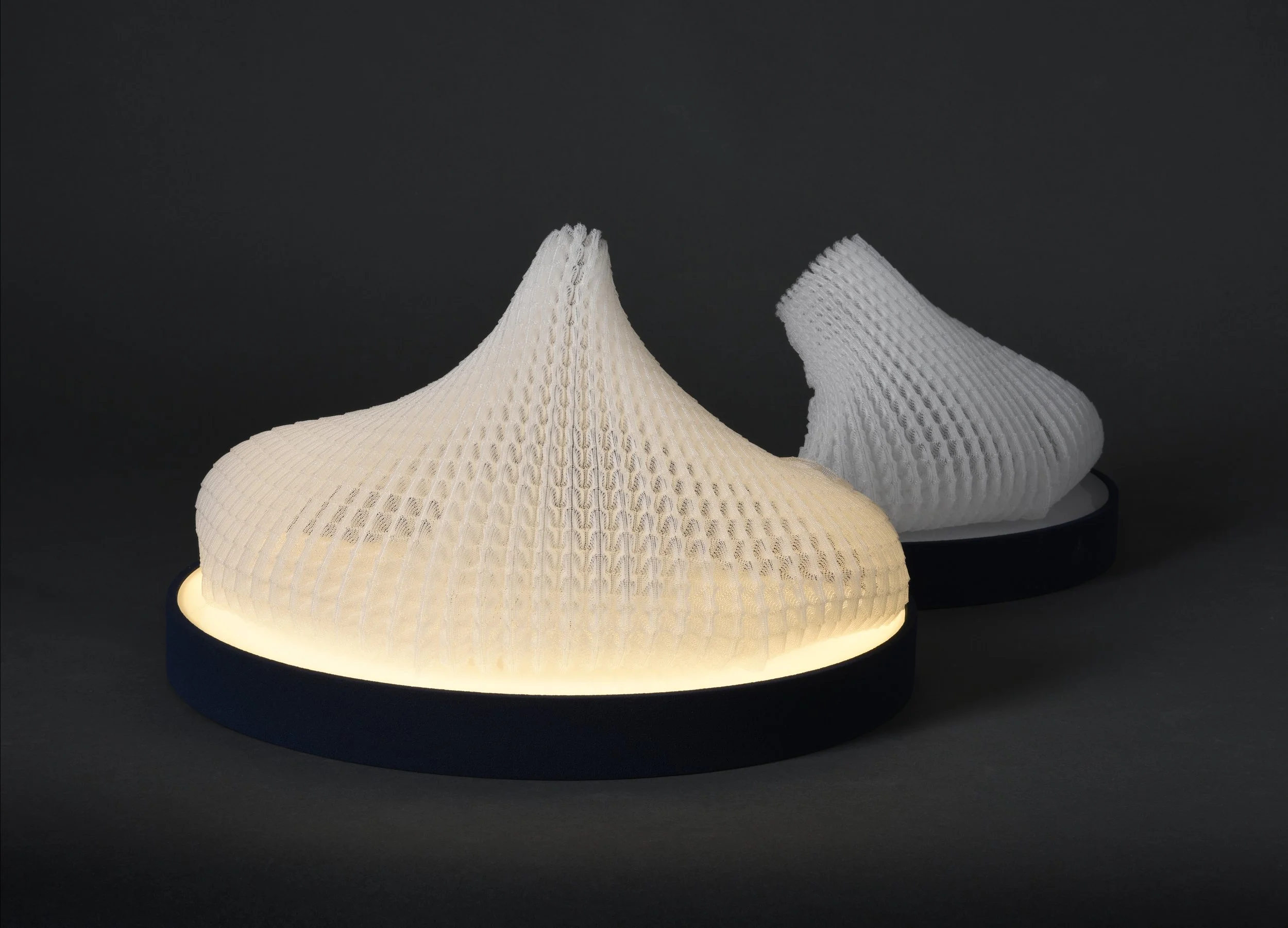
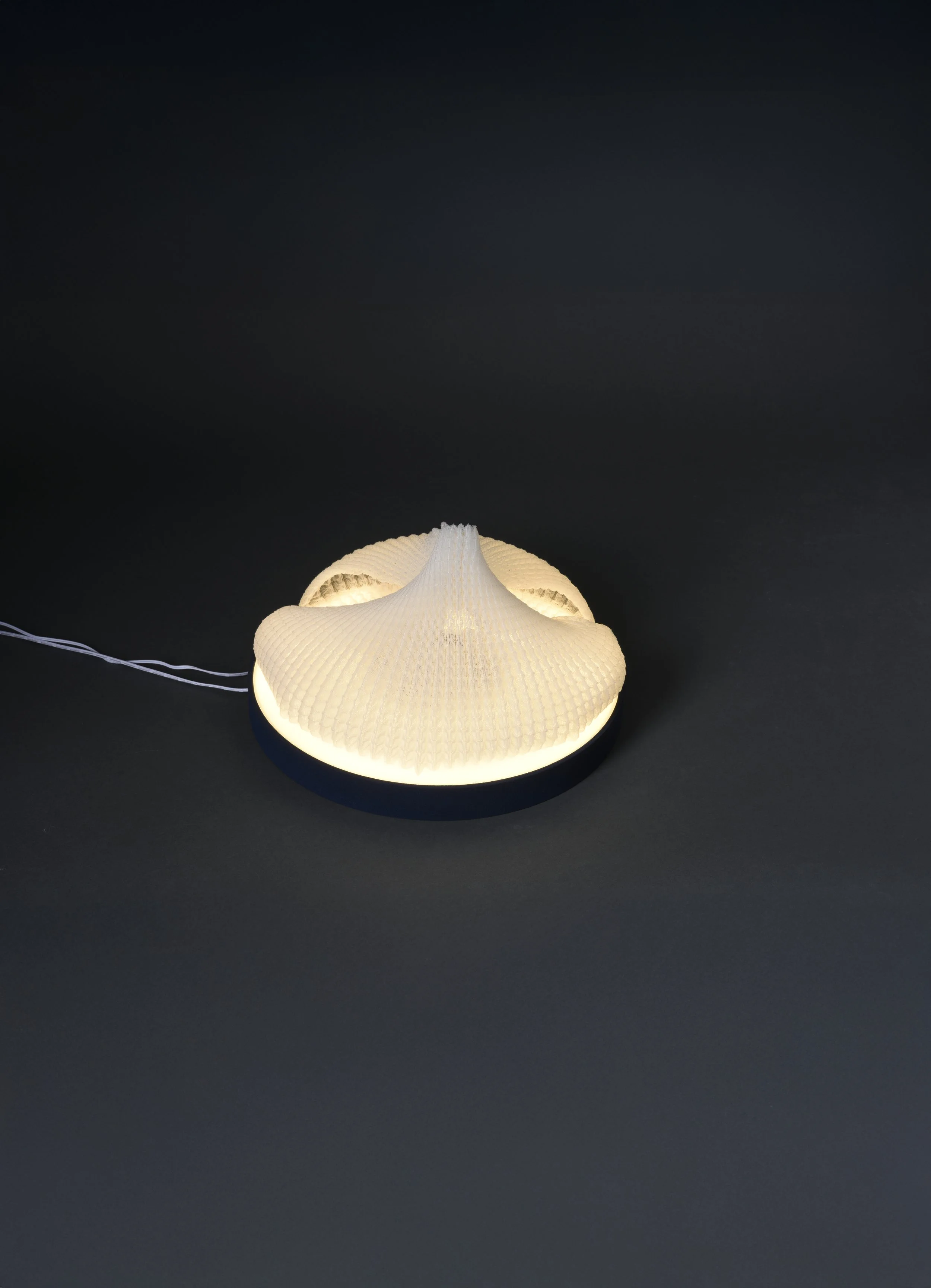
a self-supporting knitted light sculpture
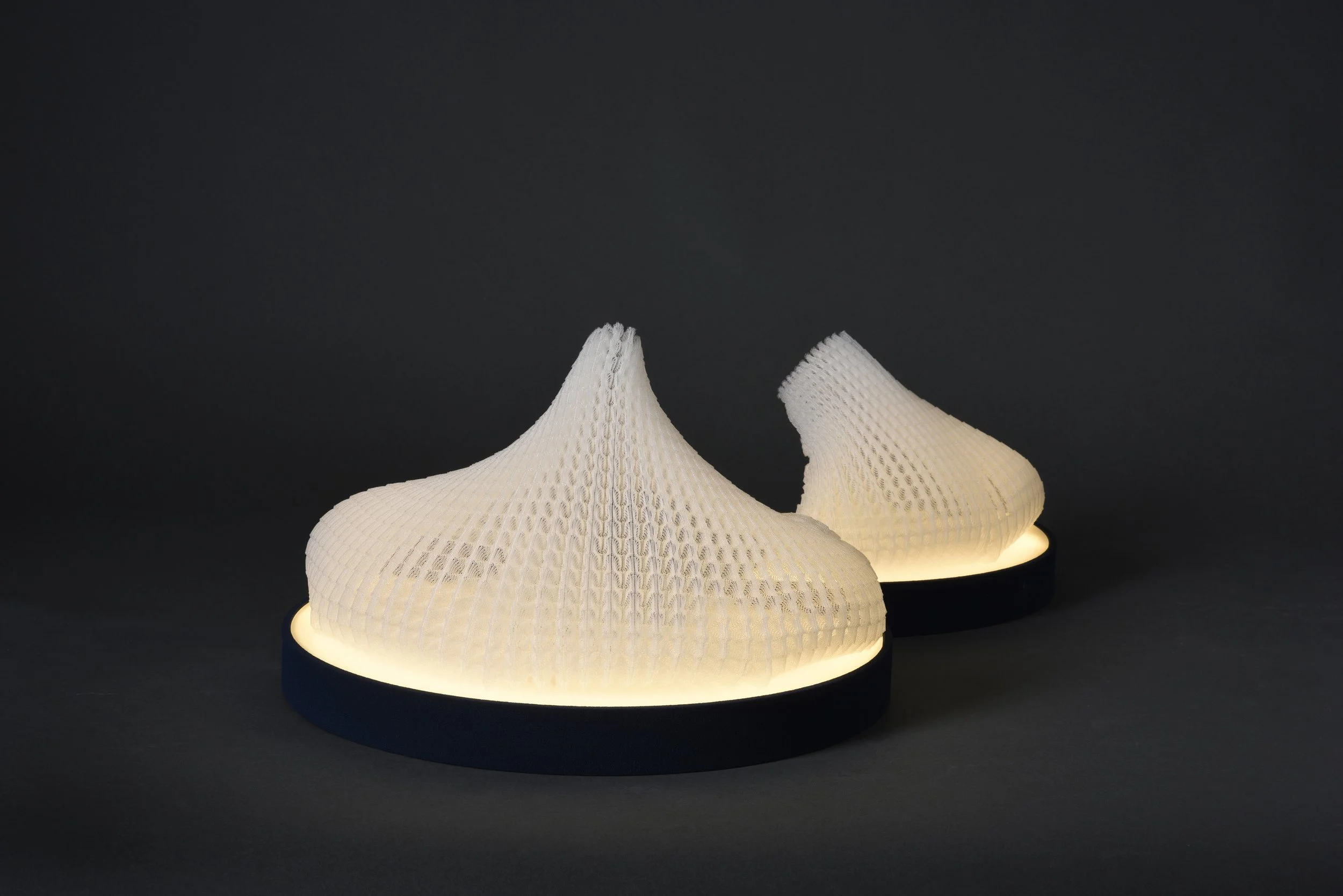
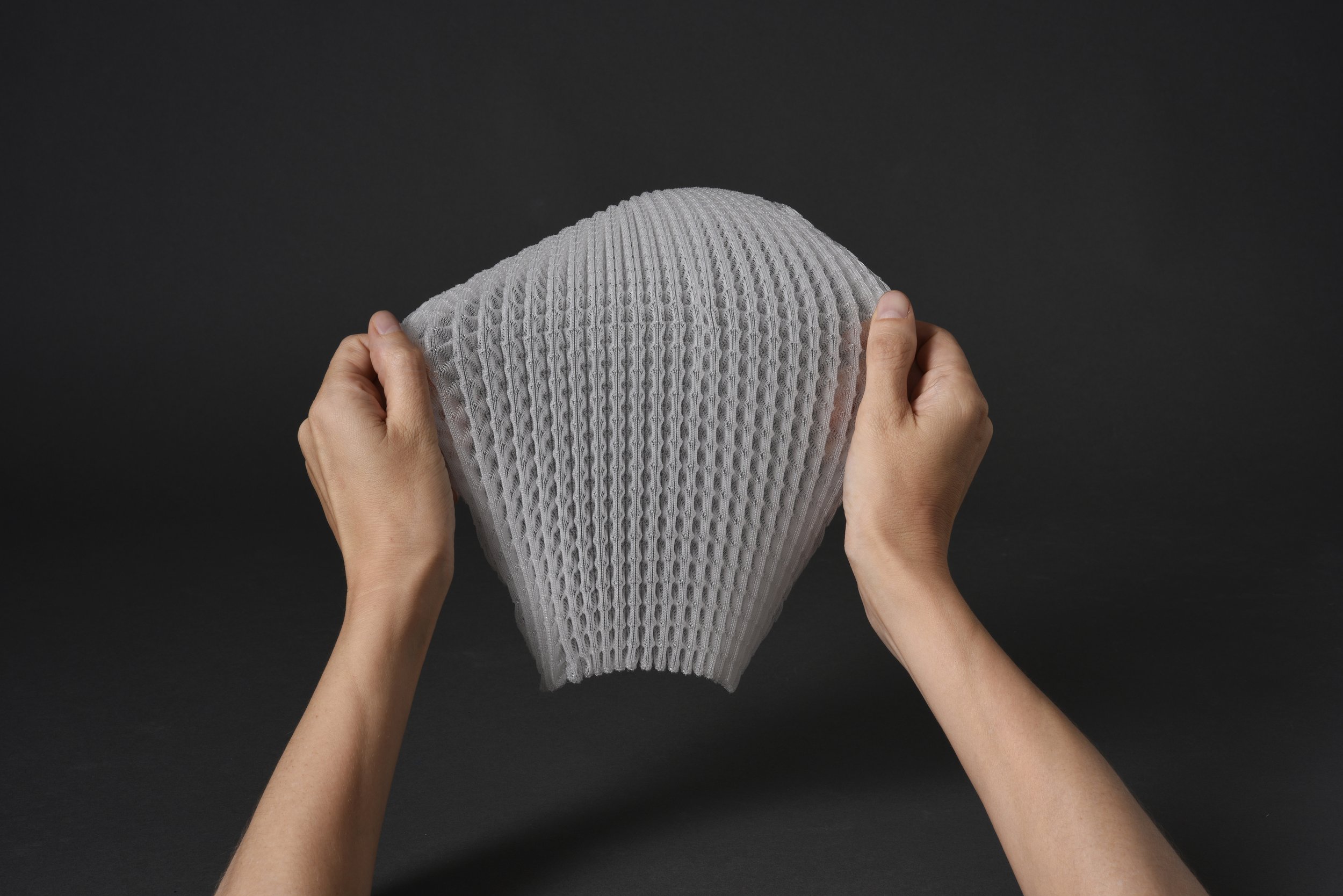
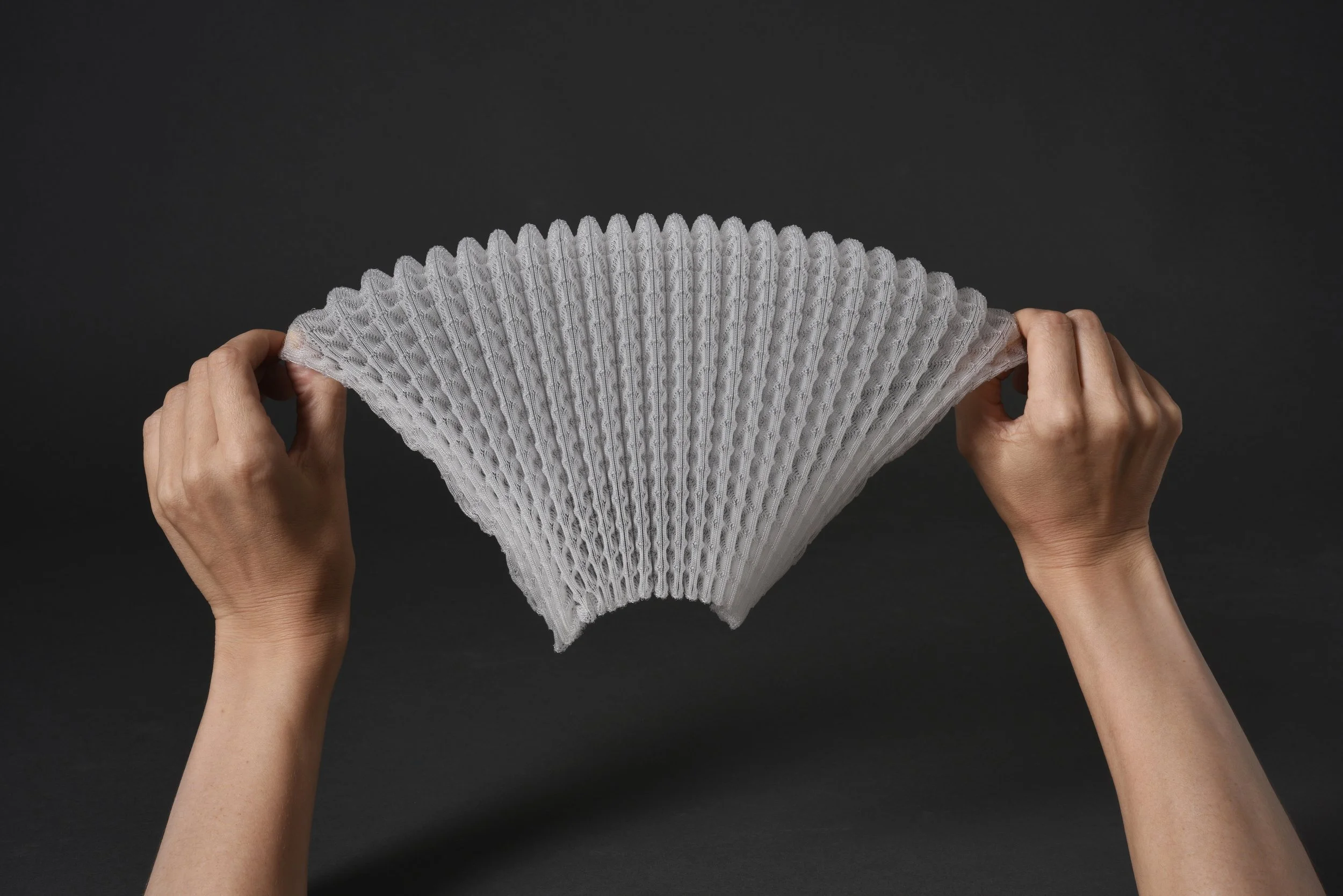
Held explores how knitted textiles can generate form and stability without an additional supporting framework.
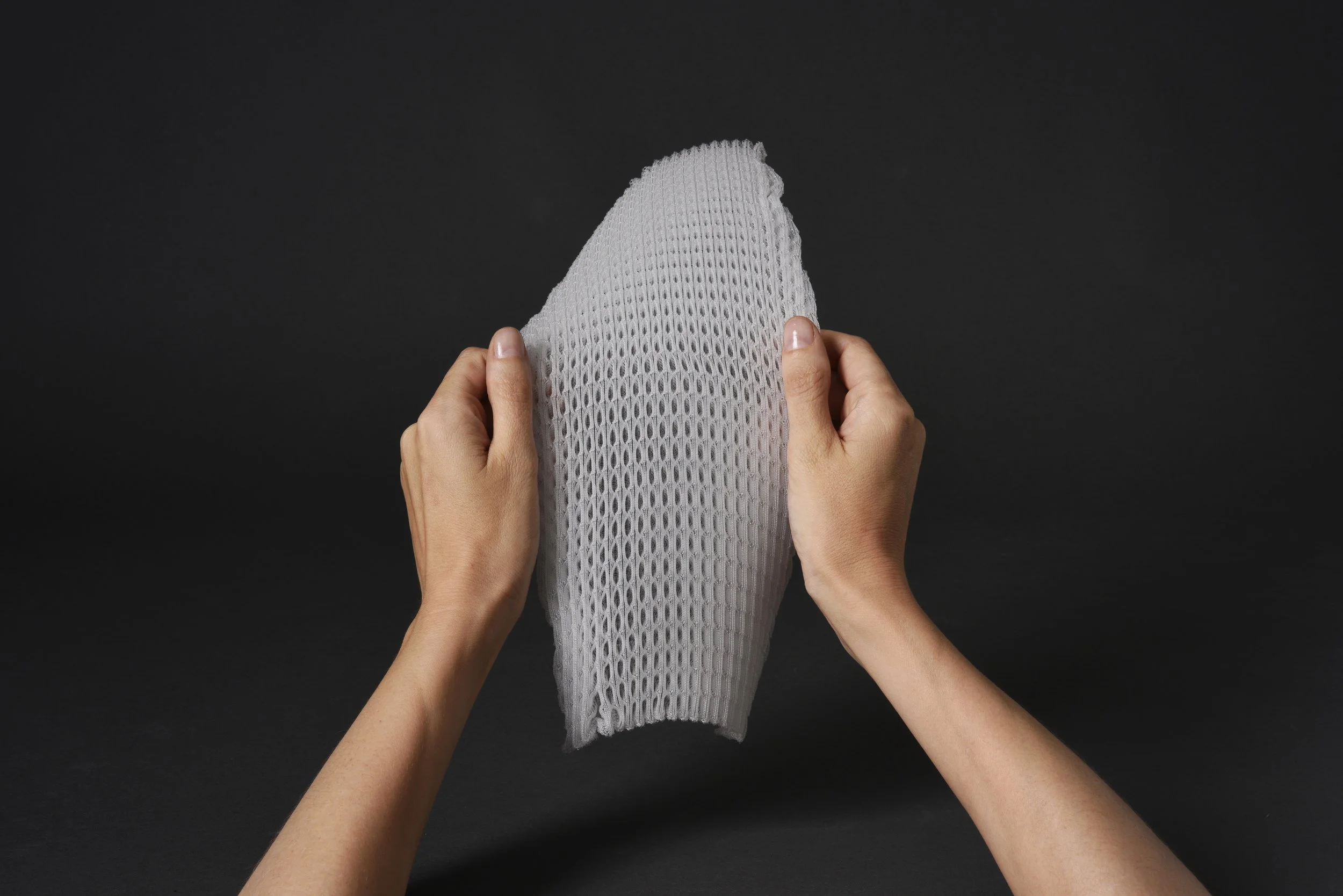
Knitted as a single piece, geometry, elasticity and structural performance are integrated directly into the material.
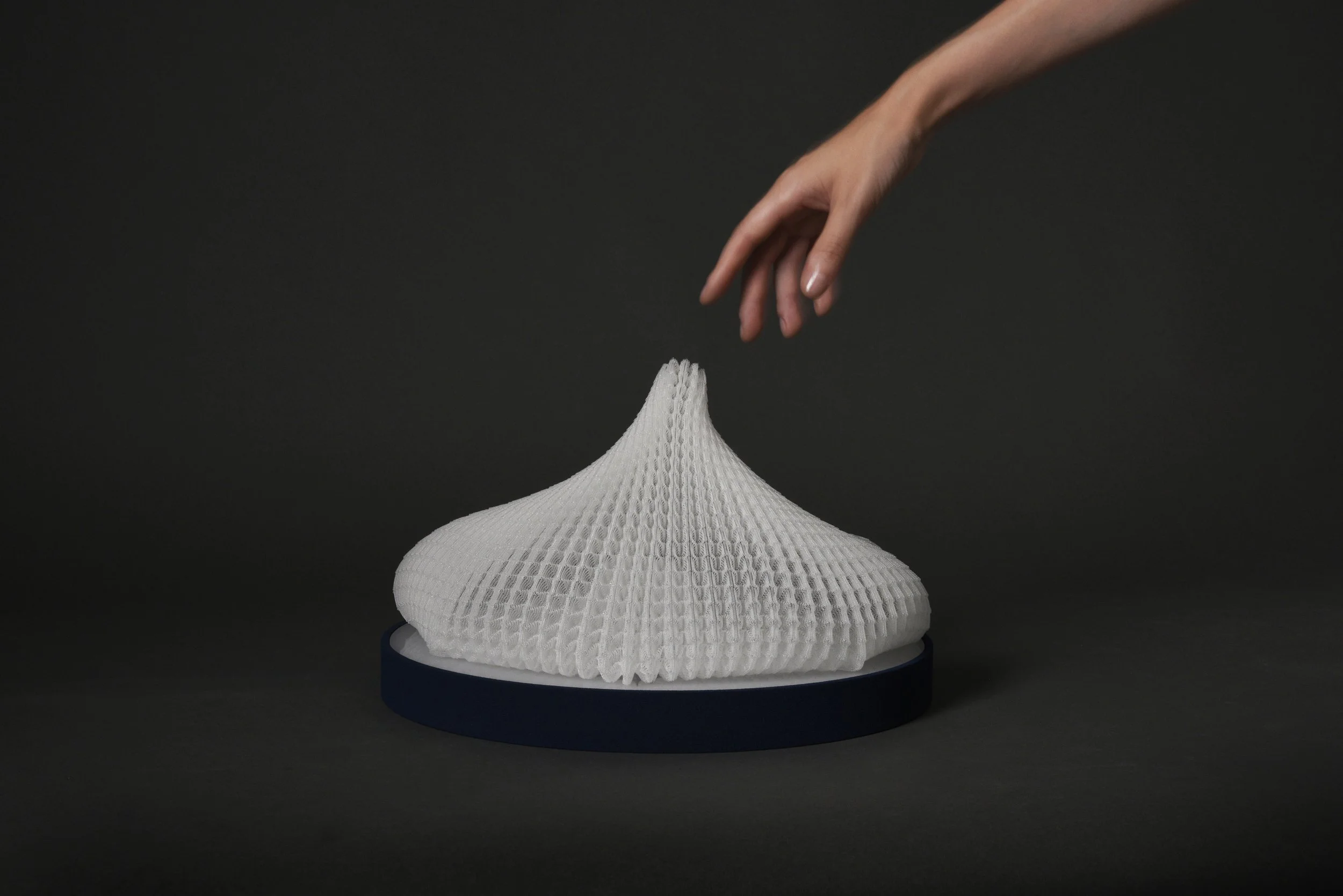
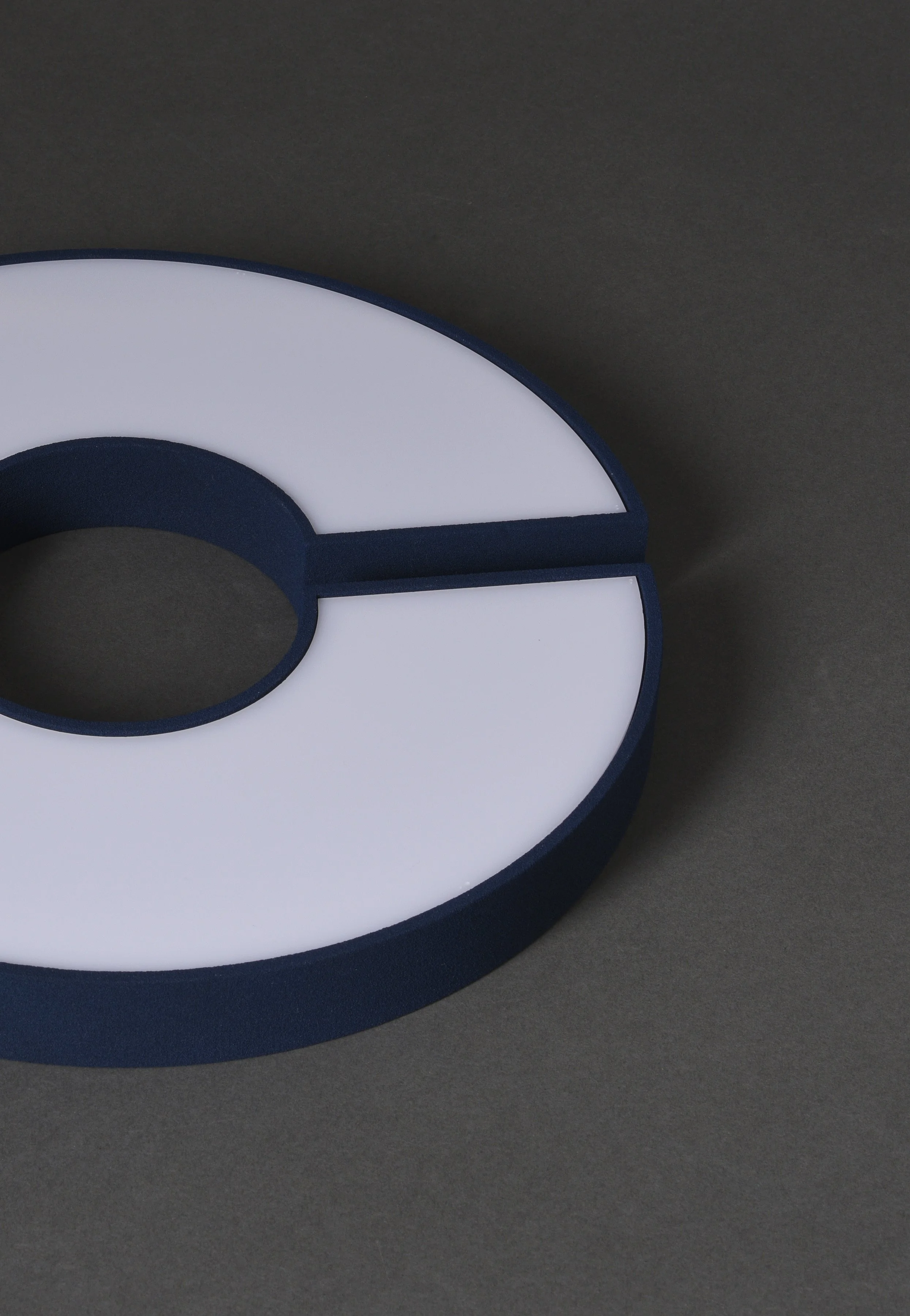
Resting on a 3D-printed sand base, the translucent textile evokes a quiet marine organism anchored to the ocean floor. The sand base provides weight and grounding, while the textile generates its own form and structural stability.
A material study on how textiles can move beyond surfaces and become self-supporting spatial systems.
Held explores how knitted textiles can generate form and structural stability through their own material logic. Conceived as a material study through the medium of a light sculpture, it translates a central question of my practice into a tangible scale: How can a textile become structure without relying on an additional supporting framework?
The form evokes the quiet presence of a marine organism resting on the ocean floor. Calm and unfamiliar, it seems suspended in a delicate balance between softness and stability.
Although its translucent surface evokes the appearance of glass, the material remains soft, flexible, and highly deformable, challenging conventional expectations of both textiles and structural objects. Knitted as a single piece on an industrial knitting machine, the work is produced in a zero-waste process. Geometry, elasticity, and structural performance are embedded directly into the knitted construction, creating an active material system in which form and stability emerge from the material itself rather than from assembly or additional supporting elements.
The textile rests on a 3D-printed sand base, establishing a dialogue between soft, adaptive material and dense mineral matter while reinforcing the image of an organism anchored to the ocean floor. Together, the two materials create a tension between lightness and weight, movement and stillness, the organic and the constructed.
Held is part of my ongoing research into knitted material systems that integrate function directly into their structure. It investigates how textiles can evolve from passive surfaces into self-supporting spatial systems, pointing toward future applications in architecture and spatial design.
Client
Personal Project
Responsibilities:
Design Concept · Textile Design + Engineering · Knitting Machine Programming · Manufacturing · 3D Modelling
Year
2026